
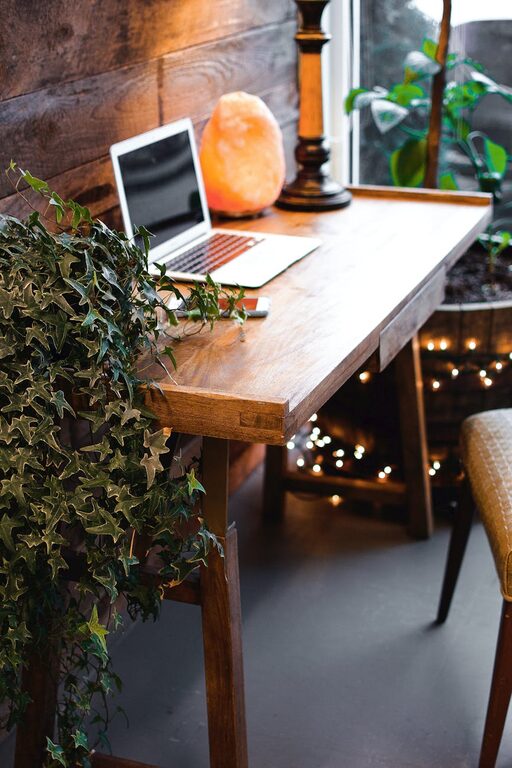
Creating a comfortable and productive home workspace is essential for anyone who works remotely or spends significant time on projects at home. A well-designed area can improve focus, reduce stress, and boost overall work satisfaction. Whether you have a dedicated room or a small corner, these tips will help you set up a space that encourages both comfort and productivity.
Choose the Right Location
Finding the right spot for your workspace is the first step. Ideally, select a quiet area away from heavy foot traffic and distractions. It can be a spare room, a section of your living room, or even a nook by a window. Look for a place with good natural light, as exposure to daylight is known to enhance mood and energy levels.
Consider Privacy and Noise Levels
If your home tends to be noisy, consider noise-canceling headphones or soft furnishings that absorb sound. Privacy is also important, especially if you have video calls or need to concentrate deeply.
Invest in an Ergonomic Chair and Desk
Comfort starts with your furniture. Spending long hours sitting requires an ergonomic chair that supports your back and encourages good posture. Adjustable chairs allow customization to your body, which helps reduce strain.
Similarly, choose a desk that suits your space and workflow. It should be at the right height so your arms rest comfortably when typing or writing. Standing desks or adjustable sit-stand desks are great alternatives if you want to vary your working positions.
Optimize Lighting
Good lighting reduces eye strain and keeps you alert. Ideally, position your desk near a window for natural light. Supplement this with adjustable task lighting, such as a desk lamp, to ensure your workspace remains well-lit throughout the day and into the evening.
Avoid harsh overhead lights or glare on your screen. Soft, warm light typically creates a pleasant working ambiance.
Organize Your Supplies and Equipment
Clutter can distract and decrease productivity. Keep your workspace tidy by organizing supplies and equipment efficiently.
– Use desk organizers or trays to store pens, notebooks, and small items.
– Keep cables neat with clips or covers to avoid tangles.
– Only keep frequently used items within arm’s reach; store less-used items in drawers or shelves.
Having everything you need close by helps maintain a smooth workflow.
Personalize Your Workspace
Adding a few personal touches can make your workspace more inviting and inspiring. Consider:
– Plants, which improve air quality and add a splash of color.
– Artwork or photos that motivate you.
– A comfortable cushion or throw blanket for added coziness.
Just be careful not to overcrowd your space—balance is key.
Minimize Distractions
Identify common distractions in your home and find ways to reduce them. For example:
– Use noise-canceling headphones if family or roommates are nearby.
– Set clear work hours and communicate boundaries.
– Turn off non-essential phone notifications or use apps that limit distractions.
Creating a focused workspace helps maintain productivity over long periods.
Incorporate Break and Movement Areas
Taking breaks is important for both mental clarity and physical health. If possible, set aside a small area near your workspace for stretching or quick movement exercises. Even standing up to walk around for a few minutes every hour can reduce fatigue and improve concentration.
Keep Technology Updated and Functional
Reliable technology supports smooth work. Ensure your computer, internet connection, and other devices are up to date and functioning well.
Consider investing in:
– A quality webcam and microphone for video calls.
– External monitors if you need more screen space.
– A wireless keyboard and mouse for a clutter-free desk.
Regularly clean your devices to maintain performance.
Maintain Good Habits and Routine
A productive workspace is only part of the equation. Developing consistent work habits also plays a big role.
– Set specific work hours and stick to them.
– Start your day by organizing your tasks.
– Take short breaks to refresh your mind.
Having a routine creates structure and signals your brain when it’s time to focus or relax.
—
By putting these tips into practice, you can transform your home workspace into a comfortable, organized, and motivating area. A thoughtfully designed environment not only helps you work more efficiently but also contributes to your overall well-being while working from home. Happy working!