
Indoor air quality plays a crucial role in creating a comfortable and healthy home environment. Many of us spend a large portion of our time indoors, so it’s important to ensure the air we breathe inside is clean and fresh. Poor indoor air quality can lead to discomfort, allergies, and even health problems. The good news is that there are simple and affordable ways to improve the air in your home without needing complex equipment.
In this post, we will explore practical techniques you can start using today to enhance the indoor air quality in your home.
Why Indoor Air Quality Matters
Indoor air quality refers to the cleanliness and safety of the air inside your home. Common indoor pollutants include dust, pet dander, mold spores, volatile organic compounds (VOCs) from household products, and allergens such as pollen. Inadequate ventilation can cause these pollutants to build up, which could affect your breathing, skin, and overall well-being.
Improving air quality can help reduce symptoms of allergies and asthma, boost energy levels, and even improve sleep quality.
Simple Techniques to Improve Indoor Air Quality
1. Increase Ventilation
One of the most effective ways to improve indoor air is to bring in fresh air and get rid of stale air.
– Open windows and doors: Whenever weather permits, open windows for at least 15 minutes a day to allow fresh air to circulate.
– Use exhaust fans: Turn on kitchen and bathroom fans during and after cooking or showering to remove moisture and odors.
– Consider mechanical ventilation: If natural ventilation isn’t enough, using air exchangers or ventilation systems can help maintain air flow.
2. Keep Your Home Clean
Dust and dirt can trap pollutants and allergen particles.
– Regular dusting: Use a damp cloth to wipe down surfaces weekly to prevent dust buildup.
– Vacuum frequently: Use a vacuum cleaner with a HEPA filter to remove dust and allergens from carpets and upholstery.
– Declutter: Keep your home tidy to reduce places where dust can gather.
3. Control Humidity Levels
Humidity influences the growth of mold, mildew, and dust mites.
– Use dehumidifiers: In damp areas like basements, a dehumidifier can keep humidity around 30-50%, which limits mold growth.
– Fix leaks and water damage: Repair any leaks promptly to prevent moisture buildup.
– Ventilate bathrooms and kitchens: These areas produce moisture, so always use exhaust fans.
4. Choose Air-Friendly Household Products
Many household cleaners, paints, and air fresheners release VOCs into the air.
– Opt for natural or low-VOC products: Look for cleaning products labeled as “non-toxic,” “biodegradable,” or “low-VOC.”
– Avoid aerosol sprays and scented candles: These can release harmful chemicals.
– Store chemicals properly: Keep paints, solvents, and cleaning agents in well-ventilated areas or outdoors if possible.
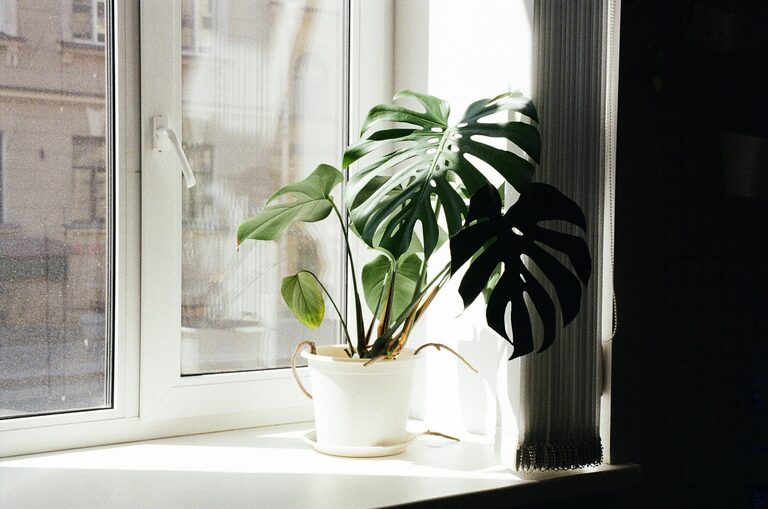
5. Add Indoor Plants
Certain indoor plants are known for their air-purifying qualities.
– Examples include spider plants, snake plants, and peace lilies.
– Plants can help remove toxins and increase oxygen levels.
– Remember to maintain plants properly because overwatering or decaying leaves can contribute to mold.
6. Use Air Purifiers
Air purifiers can help filter out airborne particles like dust, pollen, and pet dander.
– Choose purifiers with HEPA filters for the best particle removal.
– Place air purifiers in rooms where you spend the most time, such as bedrooms or living areas.
– Maintain and replace filters based on the manufacturer’s instructions.
7. Minimize Use of Carpets and Upholstered Furniture
Carpets and heavy upholstery can trap allergens over time.
– If possible, opt for hard flooring like wood or tile, which is easier to clean.
– If you have carpets, shampoo them regularly or consider steam cleaning.
– Use washable slipcovers on furniture and wash them frequently.
Tips for Maintaining Good Indoor Air Quality Year-Round
– Change HVAC system filters regularly.
– Have your heating and cooling system inspected and cleaned professionally each year.
– Avoid smoking indoors.
– Keep pets clean and groomed to reduce dander.
– Create a schedule to regularly clean vents, fans, and other air circulation devices.
Final Thoughts
Improving indoor air quality doesn’t have to be complicated or expensive. Small changes and a bit of regular maintenance can make a big difference in the health and comfort of your home. By increasing ventilation, reducing pollutants, managing humidity, and considering air purifying options, you can protect your family and enjoy fresher, cleaner air all year round. Start with a few of these techniques today to make your indoor environment healthier for everyone.