Working from home has become a common reality for many, making the design of a home workspace more important than ever. A cozy and productive setup can significantly improve how you feel and perform throughout your workday. Whether you have a dedicated room or a small corner, you can create a comfortable environment conducive to focus and creativity.
In this guide, we will explore practical tips to make your home office both inviting and efficient.
Choose the Right Location
Find a Quiet Spot
Select a place in your home where distractions are minimal. Ideally, this should be away from high-traffic areas and noisy appliances. If space is limited, try to carve out a nook that can be dedicated solely to work.
Consider Natural Light
Natural light helps reduce eye strain and boosts mood. Position your desk near a window if possible. However, avoid placing your screen directly opposite to windows to prevent glare.
Invest in Comfortable Furniture
Ergonomic Chair
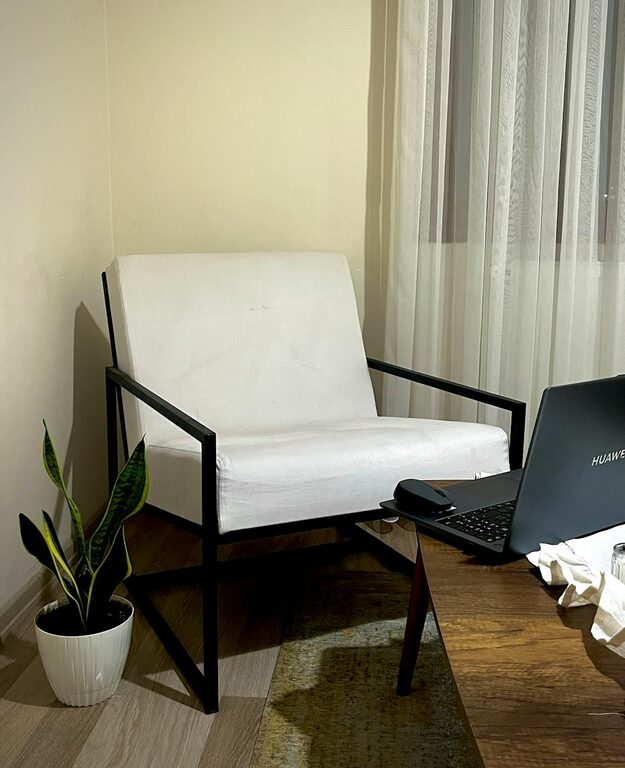
A chair that supports your posture is essential. Look for one with adjustable height, lumbar support, and comfortable cushioning. Sitting correctly helps prevent back and neck pain.
Functional Desk
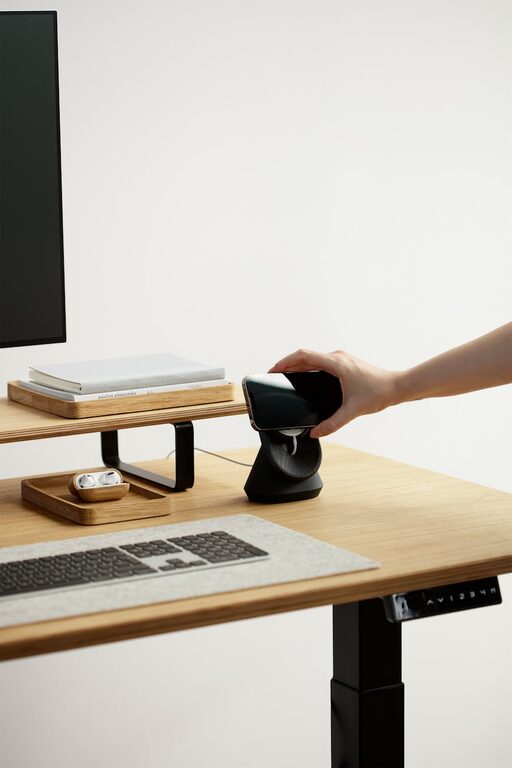
Choose a desk that fits your space and meets your needs. It should be large enough to hold your computer, notebooks, and any other tools you regularly use. Adjustable or standing desks are also excellent options to vary your posture.
Keep Your Workspace Organized
Declutter Regularly
A clutter-free desk helps minimize distractions. Keep only essential items on the surface and store other materials in drawers or shelves.
Use Storage Solutions
Boxes, file organizers, and shelves can keep papers and supplies tidy. Labeling storage containers can help you find things quickly when needed.
Personalize Your Space for Comfort
Add Cozy Elements
Incorporate a soft throw blanket, a comfortable rug, or cushions to soften the space. These small touches can make your workspace feel more welcoming.
Use Pleasant Scents and Plants
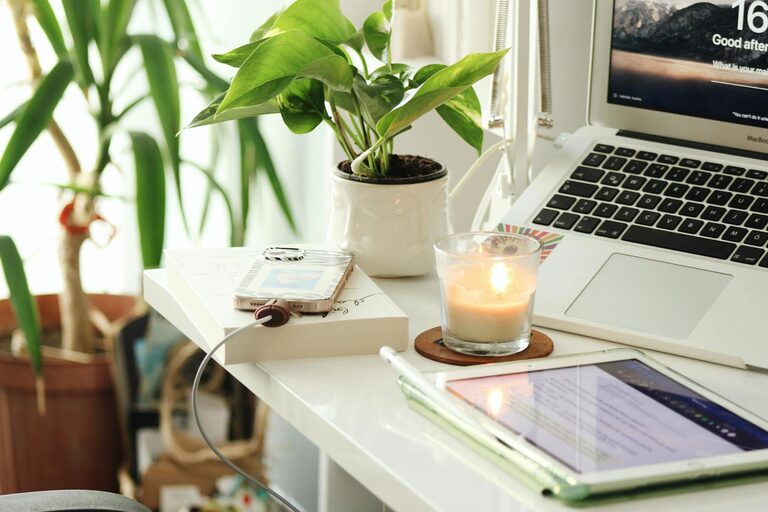
A subtle air freshener or scented candle can enhance comfort; just ensure scents are not overpowering. Indoor plants not only brighten your area but may also improve air quality and reduce stress.
Optimize Lighting
Layer Your Lighting
Combine natural light with smart artificial lighting. A desk lamp with adjustable brightness helps reduce eye fatigue, especially during evening hours.
Avoid Harsh Overhead Lights
Soft, warm bulbs create a cozy atmosphere. Position lights to minimize shadows on your work surface.
Manage Technology Efficiently
Cable Management
Use clips, ties, or cable organizers to keep cords neat and prevent tangling. A tidy workspace supports a clear mind.
Reliable Equipment
Make sure your hardware and internet connection are reliable. Investing in quality equipment can reduce frustration and improve productivity.
Establish Boundaries and Routines
Separate Work and Home
Try to keep your work materials confined to your workspace. When working hours are over, close your laptop or cover your desk to signal the end of the workday.
Create a Schedule
Having set start, break, and end times helps maintain balance and focus. Use timers or reminders to encourage regular breaks and avoid burnout.
Keep Motivated with Inspiring Decorations
Visual Inspiration
Hang up artwork, motivational quotes, or photos that inspire you. A visually pleasant environment can encourage positivity and creativity.
Color Coordination
Choose colors that promote calm and concentration, such as soft blues, greens, or neutrals. You might add vibrant accents to energize the space.
Final Thoughts
Crafting a cozy and productive home workspace is about balancing comfort with functionality. Personalizing your area while maintaining organization creates an inviting atmosphere that supports focus and well-being. Small changes can make a big difference, so start with a few ideas and adjust your setup as you discover what works best for you.
Invest time in your workspace, and you’ll likely find your productivity and job satisfaction rising. Happy working!